
Buying Guides
American Quarter Horse Mare for Sale: A Buyer's Guide
· 8 min read
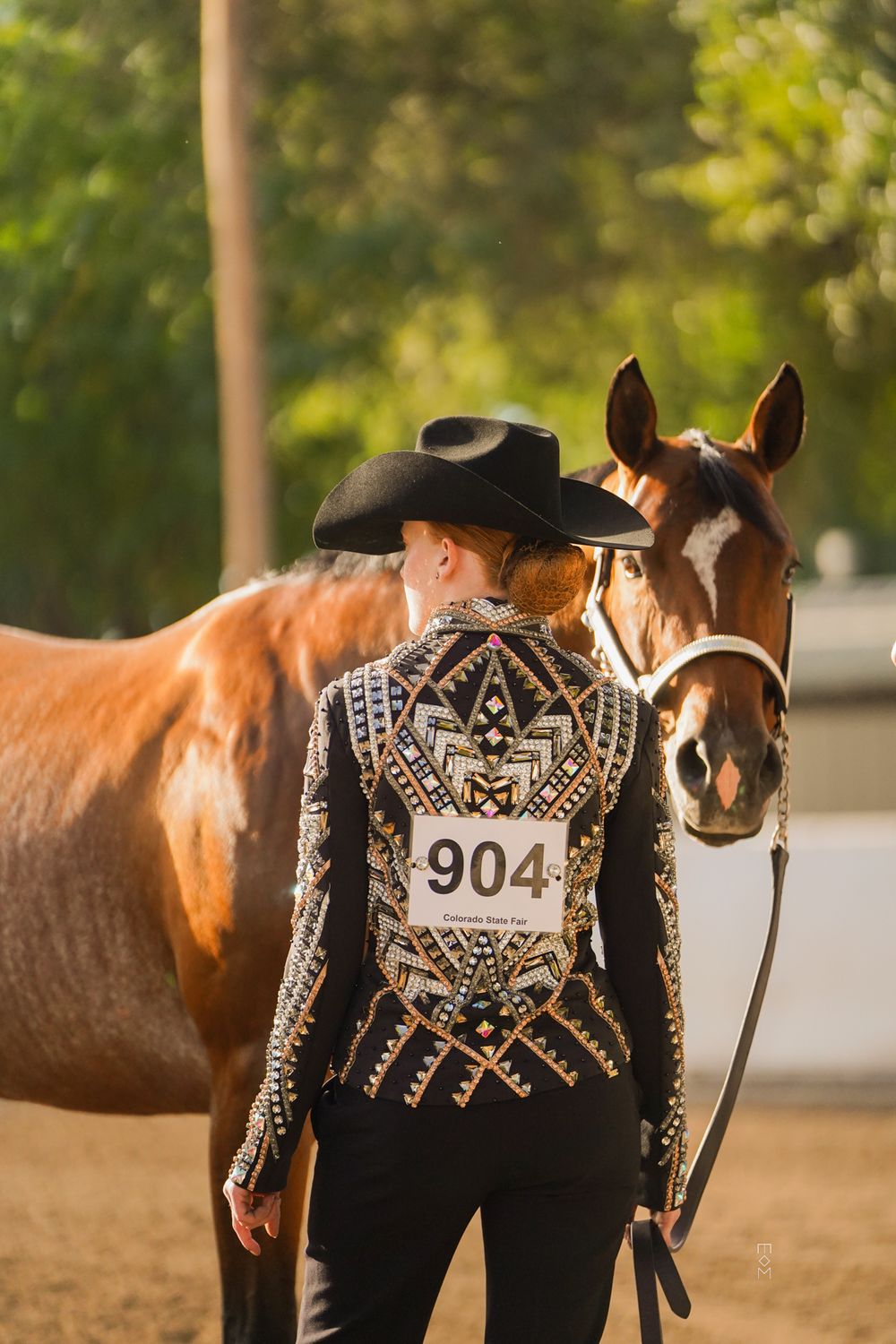
How to evaluate an American Quarter Horse mare for riding, breeding or both: records, behavior, genetic testing and prepurchase checks, from Brownsville, Texas.
Searching for an American Quarter Horse mare for sale is a more specific search than simply looking for a Quarter Horse. A mare can be a riding partner, a future broodmare, or both — and each purpose asks different questions. This guide explains how to define what you need from a mare, how to evaluate her honestly, and how to verify her records before you buy.
Equine Horses Ranch is at 5413 FM 1732, Brownsville, TX 78520. We do not imply that a particular mare is currently available. Check the American Quarter Horse collection and contact us to confirm which horses can be viewed before planning a trip.
This article focuses on mares specifically. For general purchase steps — deposits, contracts and transport — see our How to Buy a Horse guide.
Decide what the mare is for
"Mare" describes the horse's sex, not her job. Before comparing listings, decide which of these buyers you are:
- A rider looking for a mount. Your priority is training, temperament and soundness — the same things that matter in any riding horse. Her breeding potential may not matter to you at all.
- A breeder looking for a broodmare. Your priority shifts toward pedigree, conformation, produce record and reproductive soundness. A mare who was never trained to ride can still be an excellent broodmare.
- Both. Many buyers want a mare they can ride now and breed later. That is reasonable, but evaluate both roles separately. A pleasant riding mare is not automatically a good breeding candidate, and a well-bred mare is not automatically a safe ride.
Write your purpose down before you contact sellers. It keeps the conversation focused and helps the seller tell you honestly whether a mare fits.
Mare, gelding or stallion: an honest comparison
Buyers often ask whether a mare is the right choice at all. The honest answer is that the individual horse matters more than the sex, but there are practical differences worth understanding.
Geldings are often described as more consistent day to day, which is one reason they dominate casual trail and family markets. Stallions require experienced handling and appropriate facilities, and are usually a breeding or professional purchase rather than a first horse. Mares sit between those extremes: most are straightforward riding partners, and many top ranch, barrel and show horses are mares.
Some mares show behavioral changes during their estrous cycle, and a few become noticeably more sensitive or distracted in season. Many others show no practical difference at all. Do not rely on stereotypes in either direction — ask the seller how the specific mare behaves through the year, and watch her work if you visit while she is in season. If a seller claims no mare ever changes behavior, or that every mare is difficult, treat both statements as too simple.
The right question is never "are mares good?" It is "is this mare good for me?"
Evaluating a riding mare
If you want a mare to ride, evaluate her as you would any riding horse, with a few additions.
Recent, relevant work. Ask what she has done in the last three months, not just over her lifetime. A mare who was finished on cattle five years ago but has been pasture-bred since is a different purchase from one in current work. Request recent video of ordinary sessions — catching, tacking up, mounting and riding — not only highlight clips.
Rider match. Describe your own experience honestly, including the least experienced person who may ride her. Ask what rider the seller recommends for her and why. A mare described as "gentle for anyone" should still demonstrate that in a supervised trial.
Everyday handling. Watch her being approached, led, groomed, saddled and loaded. Mares who have spent years in a broodmare band may have excellent ground manners from daily handling — or very little handling at all. Neither is a flaw if the seller represents it accurately.
Cycle-related behavior. Ask directly whether her behavior changes in season, and if so, how. An honest answer like "she is more distracted for a few days each month" is useful information, not a reason to walk away. No answer at all is a reason to slow down.
Evaluating a broodmare prospect
If breeding is part of your plan, the evaluation expands considerably.
Pedigree and registration. Request her registered name and verify her record with the American Quarter Horse Association. Confirm who the recorded owner is and how transfer will be handled at sale. A readable copy of her papers should match the horse in front of you.
Produce record. If she has foaled, ask how many foals, whether they were carried herself or by embryo transfer, and what those offspring have done. A mare whose foals are riding successfully tells you more than a famous pedigree alone. If she has never been bred, say so in your notes — an unproven mare is not a flawed one, but she is an unknown as a producer.
Reproductive soundness. For a mare you intend to breed, ask your veterinarian about a reproductive evaluation as part of, or alongside, the prepurchase exam. Age, foaling history and uterine health all affect breeding prospects. This is a conversation for your veterinarian, not a detail to settle from an advertisement.
Conformation with breeding in mind. Structural correctness matters doubly in a broodmare because she may pass it on. If you are not confident assessing conformation, bring a trainer or breeder whose judgment you trust.
Genetic testing and health records
AQHA maintains a five-panel genetic test covering inherited conditions relevant to Quarter Horse bloodlines, including HYPP, HERDA, GBED, PSSM1 and MH. Whether testing matters for your purchase depends on the mare's pedigree and your plans for her. A buyer planning to breed should discuss panel results with their veterinarian and understand what carrier status means for future mating decisions. A buyer who only wants a riding horse may need less detail — but should still ask what is known.
Request her veterinary and farrier records where available. Ask about any history of lameness, colic, foaling complications or ongoing maintenance. Records do not guarantee future health, but a seller who keeps and shares them is telling you something useful about how the horse has been managed.
The prepurchase examination
Arrange an independent prepurchase examination with a veterinarian who does not regularly treat the mare. Tell the veterinarian your intended use — riding, breeding or both — because that shapes what they examine and which imaging they may recommend.
For a riding mare, the exam typically focuses on soundness, airway, eyes, heart and any discipline-specific concerns. For a broodmare prospect, add the reproductive discussion above. No exam can predict the future, but it documents what is knowable today and gives you an informed basis for the decision.
Questions to ask the seller
- What has the mare done in the last three months, and who has ridden her?
- What rider experience do you recommend for her, and why?
- Does her behavior change in season? If so, how?
- Has she been bred? How many foals, and what are they doing?
- Are her AQHA papers available, and is the recorded owner the seller?
- What genetic testing has been done, and can I see the results?
- What veterinary, farrier and foaling records can I review?
- Can I bring my trainer and arrange an independent prepurchase exam?
Write the answers down. If the description changes between messages and the viewing, ask for clarification before you travel.
Red flags in mare listings
Most sellers are honest, but a few patterns deserve caution:
- "Broodmare only" with no explanation. Sometimes this simply means a mare was never started under saddle. Sometimes it means a soundness or behavior issue ended her riding career. Ask which.
- Bred mares sold without records. If a mare is sold as in foal, ask who the stallion is, how the pregnancy was confirmed and when, and what happens to the price if she is not in foal at your veterinarian's check.
- Papers "in the mail." Registration documents should exist before money changes hands. Verify ownership directly with AQHA.
- Pressure to skip the vet exam. A seller confident in their horse has no reason to discourage an independent examination.
Viewing a mare at our Brownsville ranch
If you visit Equine Horses Ranch, plan the appointment in advance and tell us what you are looking for — a riding mare, a broodmare prospect, or both. Bring an experienced person if you are unsure about evaluating a horse, wear appropriate riding gear, and let a suitable rider work the horse first. We will discuss what each mare has done recently, what rider she suits, and what records are available.
For buyers traveling from outside the Rio Grande Valley, our planning a horse-buying visit article covers the practical side of the trip, and buying from out of town explains how video, veterinary checks and transport work when you cannot visit twice.
After the purchase
Mares often settle into a new home quickly, but give her time. Keep her first weeks quiet and consistent: regular feeding times, calm handling and short, easy rides before anything demanding. If she came from a broodmare band, remember that herd life was her normal — a new routine and new companions are a real change. Our helping a new horse settle in guide covers the first month in detail.
The bottom line
A good American Quarter Horse mare is not a compromise choice — she may be the most versatile purchase in the breed, capable of a riding career now and a breeding career later. The key is to evaluate her for the job you actually have in mind: her training and temperament if you will ride her, her pedigree, produce record and reproductive soundness if you will breed her, and her records either way.
To ask about the mares currently at the ranch, contact us or call (956) 404-5124 during office hours. We will tell you honestly which horses fit your plans — and which do not.