Buyer Education
How to Read a Horse Sale Video with a Critical Eye
7 min read
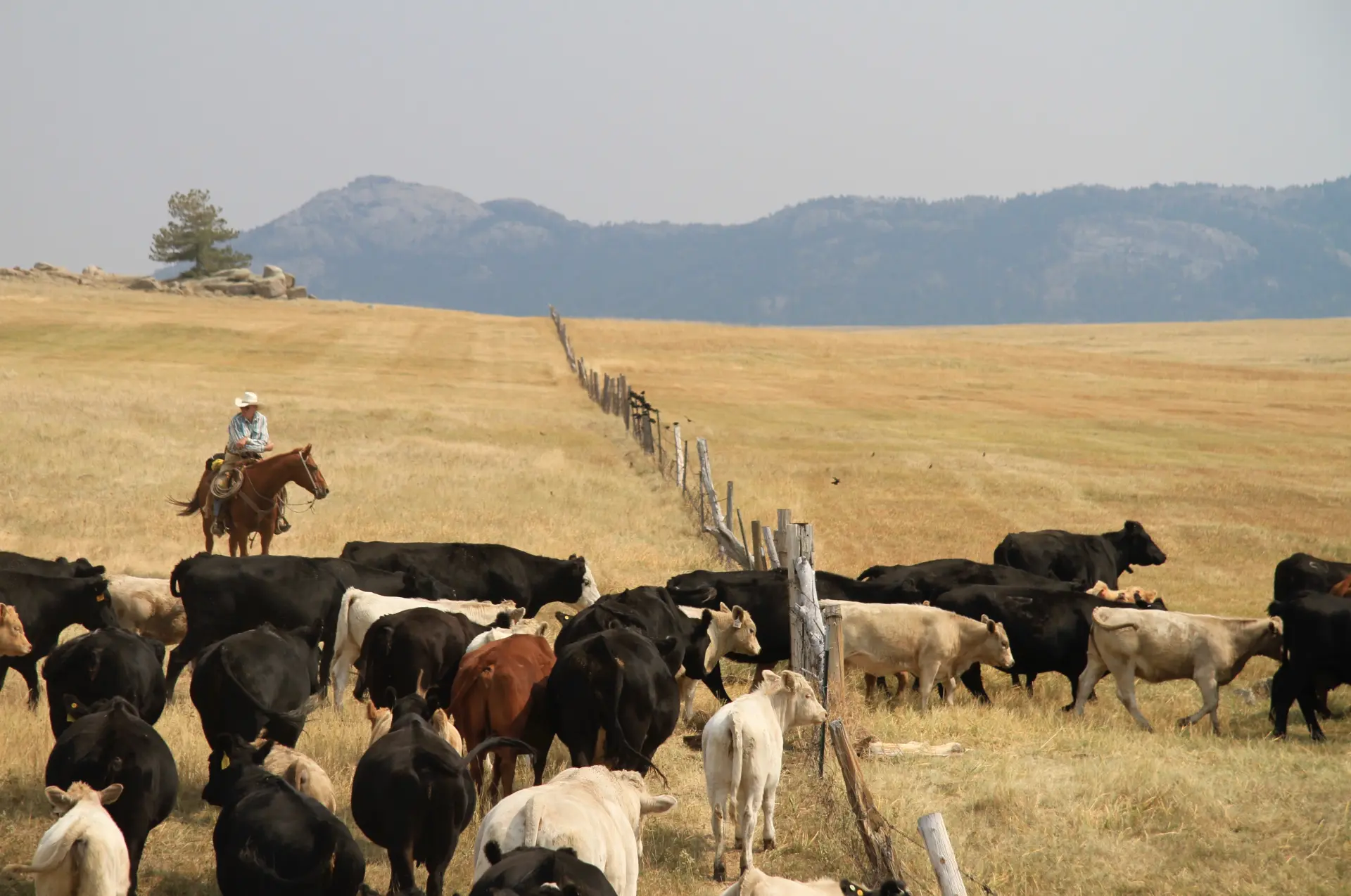
What ordinary, lightly edited footage can reveal about handling, movement, training, and suitability—and what it cannot.
A sale video is most useful when it shows a horse’s ordinary work clearly. Long, continuous sequences can help a buyer see transitions, rhythm, steering, stops, mounting, and recovery from small mistakes. Music and cinematic editing may be attractive, but they should not replace basic evidence.
Look for the beginning of each task, not only the polished result. Seeing the horse caught, groomed, tacked, mounted, and ridden in both directions provides context. Notice the rider’s cues, the surface, the equipment, and whether difficult moments are cut away.
Request footage that matches your goals. A trail buyer may want to see gates, water, traffic, and riding away from companions. A family buyer may need calm mounting and simple handling. A performance buyer will need discipline-specific work shown at normal speed.
Video cannot establish soundness, guarantee temperament in a new setting, or replace a conversation and independent examination. Use it to form better questions, compare the horse with your needs, and decide what you still need to verify.