Horsemanship
Why Horse-and-Rider Matching Matters More Than a Wish List
7 min read
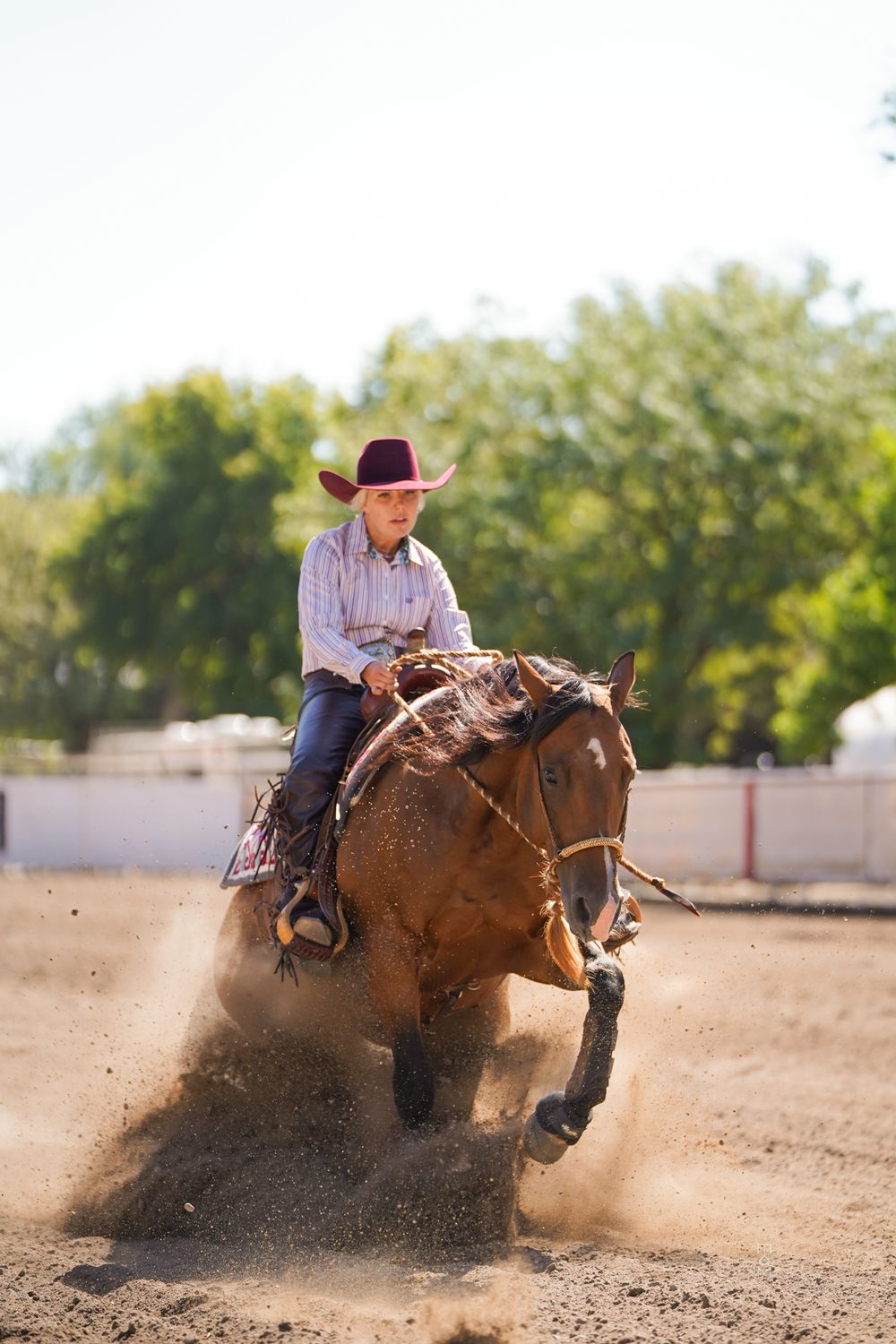
How experience, confidence, energy, goals, and daily routine come together in a lasting horse-and-rider partnership.
A horse can be excellent and still be wrong for a particular rider. Successful matching considers both sides of the partnership: the horse’s training, sensitivity, pace, size, and routine alongside the rider’s balance, confidence, goals, and available support.
Start by describing the rider’s ordinary week rather than an ideal future. A horse for quiet weekend trails may need different strengths than one intended for regular lessons, ranch work, or competition. The amount of consistent riding matters as much as the discipline.
Temperament should be discussed in context. Ask how the horse behaves after time off, in a new place, away from companions, and when the rider makes a mistake. Those details reveal more than a single label such as calm or gentle.
A thoughtful match may not be the flashiest option on paper. It should be a horse the rider looks forward to handling and riding, with challenges that are manageable rather than confidence-eroding. Honest conversations early protect both horse and rider later.