
Buying Guides
Palomino Quarter Horse Gelding for Sale: Size, Mounting & Everyday Fit
· 9 min read
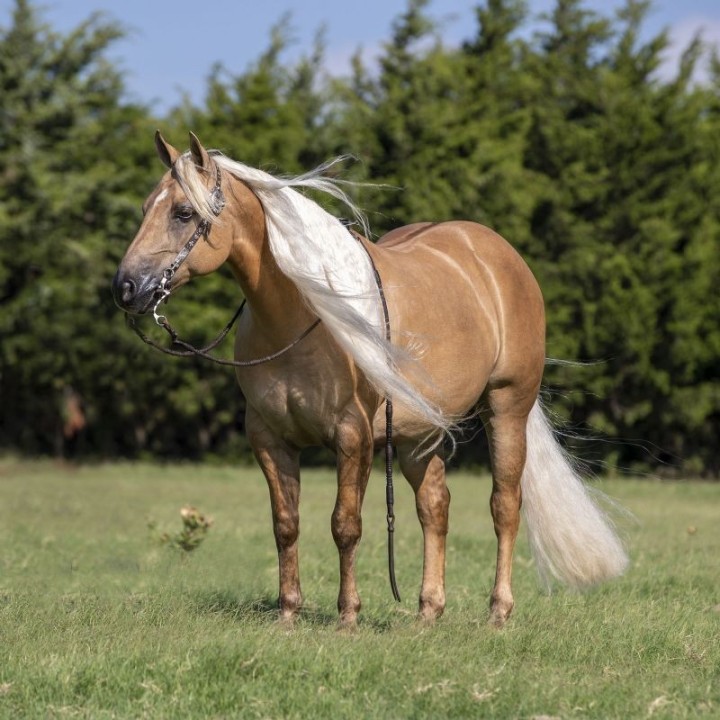
Compare Austin, Bashiru and Whisper by recorded age, height and asking price, then consider mounting, equipment, rider support and the routine you can maintain at home.
By Equine Horses Ranch · Catalog snapshot: November 20, 2026
A palomino Quarter Horse gelding for sale may attract your attention with a golden coat and light mane. Turning that preference into a useful shortlist means checking the practical details: can you mount comfortably, does the horse fit your riding plans, and can your equipment and home routine support the individual you choose?
This guide concentrates on size and everyday ownership fit rather than repeating a list of western disciplines. It uses three recorded catalog examples to show why a taller horse, a younger horse or a higher asking price does not automatically mean a better match. The aim is a decision you can explain with evidence, not a purchase based on color alone.
Compare Austin, Bashiru and Whisper as individuals
Austin is recorded as an eight-year-old palomino American Quarter Horse gelding, 14.3 hh, with an asking price of $11,800. His listed discipline is Ranch Versatility / Trail.
Bashiru is recorded as a nine-year-old palomino gelding of the same breed, 14.2 hh, at $12,500. Whisper is recorded as a seven-year-old palomino American Quarter Horse gelding, 15 hh, at $15,500. Both have the same listed discipline as Austin.
These are November 20, 2026 listing snapshots, not independent measurements, appraisals or confirmed current availability. Bashiru’s recorded price is $700 above Austin’s; Whisper’s is $3,700 above Austin’s. The catalog fields do not explain those differences. Ask about the individual training history, health records and present routine instead of assuming the most expensive candidate has the most suitable experience.
Their recorded heights cover a two-inch range. Hands are not decimal fractions: 14.2 means fourteen hands and two inches, 14.3 means fourteen hands and three inches, and 15 hh means fifteen hands. Bashiru is therefore recorded one inch shorter than Austin, while Whisper is recorded one inch taller than Austin. Confirm measurements if they matter to your equipment or mounting arrangements.
The Quarter Horse collection offers a broader comparison. If color is negotiable, keep room for a horse whose documented experience and practical fit better match your plans.
Understand palomino without confusing color and breed
Palomino is a coat-color description, not a separate breed designation. The UC Davis Veterinary Genetics Laboratory’s cream information explains that a chestnut base coat with one copy of the cream variant produces palomino; the same dilution on different base coats produces other colors.
That general explanation is not a genetic test result for Austin, Bashiru or Whisper. Their catalog color fields say Palomino. Photographs help you inspect appearance, but they do not authenticate ancestry, registration or laboratory results. Request relevant papers if those details affect your purchase.
For a gelding buyer, the central questions usually concern handling, riding and care. A golden coat cannot establish temperament, rider suitability or soundness. Keep the color preference separate from the assessment of the horse’s job and the support he needs.
Make mounting a practical discussion, not a height contest
Start with how you mount now and what assistance is available. Do you use a mounting block, have a trainer beside you or need a particular arrangement because of your own mobility? Tell the ranch before the visit so the demonstration can be planned appropriately.
A smaller recorded height may seem attractive, but height alone does not tell you whether a horse stands for mounting, accepts the block you use or is accustomed to your approach. Ask which setup his regular rider uses and what cues or preparation are involved. Watch a competent handler demonstrate the familiar routine before deciding whether you should ride.
Ask about dismounting and ordinary pauses as well. Mounting once in a prepared arena is only one part of an outing. Discuss your likely setting, available help and the equipment you will have at home. Do not try unfamiliar mounting positions or improvised tests to prove a horse is accommodating.
Your instructor can help assess your balance, confidence and communication with the individual horse. A practical match includes the support you can consistently provide, not simply an appealing number in the height field.
Discuss build, saddle fit and comfort separately
Two horses with similar height can have different builds and move differently. Do not assume that the saddle you already own will fit because the new horse is close in height to your previous mount. Arrange qualified saddle-fit advice and ask what equipment has been used successfully with the horse.
Discuss your own riding comfort with your trainer, including seat position, leg contact and how the horse’s movement feels at the paces you expect to use. Comfort is personal; a seller’s description of smooth movement does not establish that every rider will find the same experience comfortable.
Carrying capacity is not determined by a height label. Have suitable professionals assess the individual horse, rider, equipment, condition and intended workload rather than applying an unsupported rule based on inches alone. This guide does not assign a rider-weight limit to any featured gelding.
Ask about current tack and cues before the demonstration. A change in saddle, bit or rider technique can affect the horse-and-rider combination. Plan equipment choices with qualified help rather than buying accessories solely because they suit the horse’s color.
Check the routine you will actually maintain
Write down an ordinary week at home: riding frequency, turnout, companions, who handles the horse and when professional help is available. Then compare that plan with the gelding’s present routine.
Useful questions include:
- Who currently rides and handles him, and how often?
- What preparation normally happens before a ridden session?
- What does he know about catching, leading, grooming and standing for ordinary care?
- How has he behaved during recent changes in workload or surroundings?
- What feeding, turnout and companionship arrangements is he accustomed to?
- Are there management needs or handling limitations the next owner should plan for?
Ask for specific examples with dates where possible. A broad statement about being easy after time off does not predict every future return to riding. Discuss the transition with your trainer and veterinarian rather than assuming your new routine will produce the same result immediately.
This everyday comparison is especially useful when several listings share the same discipline label. The individual routine may reveal a practical difference that age, height and asking price cannot show.
Choose a supervised assessment that matches your plans
Tell the ranch whether your aim is lessons, recreational western riding, familiar trails or a more specialized task. Ask a knowledgeable rider to demonstrate established work first and involve your trainer in deciding what you should assess personally.
Focus on ordinary steering, transitions, stopping and the cues needed for your intended riding. A horse may be experienced with a skilled rider yet need more consistent aids than a beginner currently provides. The question is not whether the horse can perform an impressive maneuver, but whether the partnership and support are appropriate.
For outdoor plans, discuss the environments the gelding actually knows. Do not assume Ranch Versatility / Trail means equal experience in every terrain or circumstance. Do not manufacture frightening situations, force an obstacle or test livestock work without qualified supervision.
Recent, continuous video can help establish context if it is available. If not, written answers, records and an appropriately supervised appointment can still advance the comparison. Missing footage should not be replaced with invented accomplishments or universal safety promises.
Review identity and health before interpreting the price
Match the horse to the documents using identifying markings, certificate details and any recorded identification. A barn name may differ from a registered name. If registration or pedigree matters, request the actual papers and ask about transfer arrangements; this guide does not authenticate those records for the featured horses.
For health, ask for dated examination and treatment records, known history, medications and current maintenance needs. A repeated statement that care is current does not establish the dates or scope of that care. Discuss the information with your own veterinarian.
The American Association of Equine Practitioners’ purchase-exam guidance emphasizes communication with your veterinarian so the examination can be tailored to your needs. Explain your riding plans, frequency, home arrangements and any concerns that arose during the demonstration. Let the veterinarian recommend the examination and any additional testing.
Clinical findings and a riding assessment answer different questions. Neither a coat color nor a price difference supplies the missing evidence. This is general buyer education, not horse-specific veterinary advice, and no veterinary review or certification of the featured geldings is claimed.
Plan the purchase and arrival together
Compare the complete commitment: asking price, examination, equipment assessment, lessons, ongoing care and delivery. Whisper’s higher recorded price does not eliminate those additional costs; Austin’s lower recorded price does not explain his suitability. Keep unanswered questions visible beside the budget.
Review the horse-buying steps and written purchase terms. The ranch’s terms specify a 40% deposit applied to the purchase price and the remaining 60% before departure. Read the 30-day money-back guarantee, its conditions and return-transport responsibilities before paying.
Confirm the horse’s present location and your appointment before traveling to Brownsville. For delivery, discuss the destination, timing, route documents and applicable offers through the hauling page, then obtain the arrangements in writing. Do not assume a general shipping headline covers every destination or purchase.
Prepare the receiving property and agree an appropriate arrival routine with your yard manager, trainer and veterinarian. The first weeks should be planned around the actual horse’s needs and your available help, not an assumption that he will immediately behave exactly as he did with his previous rider.
Short answers before you inquire
Is the tallest palomino the best choice for an adult?
Not automatically. Recorded height is only one part of the comparison. Build, movement, mounting arrangements, rider balance, equipment and intended work all deserve individual assessment. The guide does not select a horse based on the buyer’s age alone.
Are palomino Quarter Horses naturally suited to beginners?
Color cannot answer that. Discuss the particular horse’s training, handling, rider requirements and the supervision available to you. Have your trainer assess the individual partnership rather than relying on a breed or color stereotype.
How do I compare horses with similar descriptions?
Ask identical practical questions for each, but record horse-specific answers, dates and evidence. Compare the mounting routine, cues, current workload and management needs instead of rewriting the shared discipline label in different words.
What should I send the ranch?
Include the horse’s name, your riding experience, mounting arrangements, intended weekly riding, professional support and destination. Contact Equine Horses Ranch with the questions that remain, or browse the catalog if you want a wider shortlist.
Sources and related decisions
- UC Davis VGL: Cream dilution. General color explanation, not a laboratory result for these horses.
- AAEP: Don’t Skip the Purchase Exam. General guidance for discussion with your veterinarian.
- The complete horse-buying guide for purchase steps and trail-horse comparisons when outdoor riding is your main goal.