
Buying Guides
Horses for Sale: How to Compare Listings and Build a Better Shortlist
· 7 min read
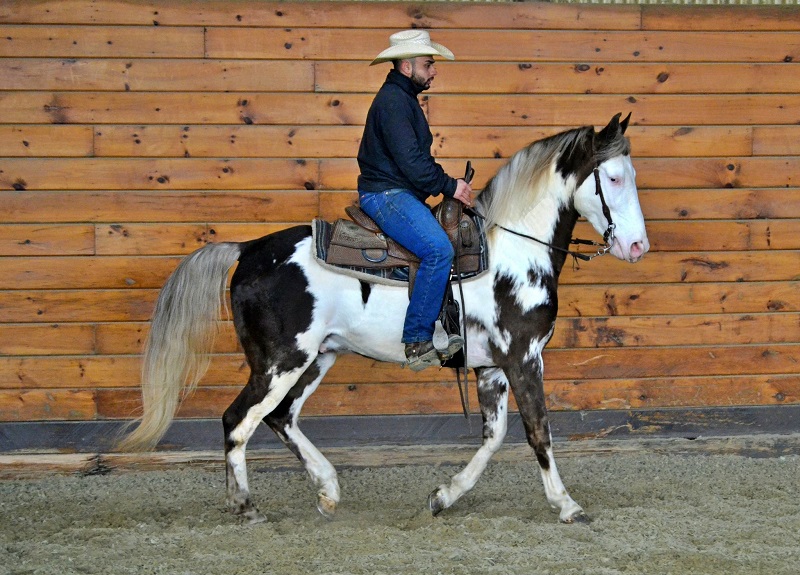
Turn a broad horse search into a practical shortlist: compare riding goals, listing details, asking prices and unanswered questions using examples from our Brownsville catalog.
By Equine Horses Ranch
Searching for horses for sale can produce hundreds of attractive advertisements without answering the question that matters: which individual horse is worth investigating for your riding plans? Start with a defined job, compare the same information across listings, and separate documented facts from questions that still need an answer.
For actual advertisements, go directly to our horse listings. This article is a search-and-comparison guide, not a promise of current inventory. Equine Horses Ranch is in Brownsville, Texas; confirm a specific horse’s location and status before arranging travel.
Start with the job, not the photograph
Write a short description of the riding you expect to do during an ordinary week. “A horse for occasional supervised trail rides” is more useful than “a beautiful gelding.” Include your experience, the least experienced intended rider, your usual terrain and whether you will have professional help.
Then divide your preferences into three groups:
- Must have: characteristics your trainer agrees are necessary for the intended job and management setup.
- Flexible: preferences such as coat color, sex or a narrower height range that could change for a suitable individual.
- Needs discussion: anything the advertisement does not establish, including recent workload, behavior after time off or documented registration.
This prevents a search from becoming a competition between photographs. If your plans are not yet clear, read our horse-and-rider matching guide before building the shortlist.
Choose a collection that answers your riding question
A breed collection and a riding-type collection serve different purposes. Breed helps organize a search, but it does not establish what an individual horse can do. A discipline label describes the advertised use; it is not proof of recent experience.
Quarter Horses: compare the advertised work
Use the American Quarter Horse collection to narrow a breed preference. Within that group, distinguish the work you want from the work actually described. Ask whether ranch, arena or trail experience is recent and who can explain it. Do not assume two Quarter Horses have equivalent preparation because they share a breed.
Paint Horses: separate appearance from documentation
Use the American Paint Horse collection if that is your preferred breed, then compare the individual riding and handling information. A spotted coat and a registration certificate answer different questions. For local viewing logistics specific to Paint Horses, keep our separate Paint Horse local-search guide on your reading list; it is not replaced by this broader article.
Trail horses: compare the setting
Use the trail-horse collection when the intended job matters more than a single breed. Ask about the actual terrain, riding alone or in company, leading or following and normal frequency of work. Our trail-horse experience guide explores those questions in more detail.
Real catalog examples: what the fields do and do not tell you
The following examples use details displayed in our catalog when this article was prepared on November 19, 2026. They are examples of how to compare advertisements, not verified recommendations or confirmation that these horses remain for sale. Open each listing for its latest displayed information and ask the ranch about current status.
Cruiser: a ranch-versatility comparison
Cruiser’s listing identifies an American Quarter Horse gelding, listed at eight years old and 15.1 hh, with Ranch Versatility / Trail as the discipline. Those fields suggest a starting point for a western-riding search. The next question is what work he has recently performed, with which rider and how often—not whether the label sounds impressive.
Akira: a gaited-trail comparison
Akira’s listing identifies a Tennessee Walking Horse gelding, listed at nine years old and 15.1 hh, with Gaited Trail as the discipline. His listed height matches Cruiser’s, but the advertised riding type is different. Compare the movement you intend to ride and your own comfort with it rather than treating equal height as equal suitability.
Lyrical: a different size and breed
Lyrical’s listing identifies an Appaloosa gelding, listed at nine years old and 16 hh, with Trail / Ranch Work as the discipline. A taller listing does not automatically mean a better match for a taller rider or greater carrying capacity. Discuss mounting, rider and saddle fit, intended workload and the individual assessment with your trainer and veterinarian.
These three examples show why a useful comparison needs more than breed or height. The fields help you decide what to ask; they do not settle the purchase.
Use the same comparison sheet for every prospect
Copy these headings into a notebook or spreadsheet. Keep unknown answers visible rather than filling gaps with assumptions.
- Identity: listing link, name, identifying photographs and any registration documents offered.
- Search fit: intended use, listed age and height, and the rider experience the seller recommends.
- Recent routine: where, how often and by whom the horse has been ridden; any known limitations.
- Price context: asking price, what is included and costs not included.
- Evidence: dated photographs, relevant records, viewing options and questions requiring professional assessment.
- Logistics: horse’s actual location, appointment arrangements and transport estimate.
- Follow-up: date of your last conversation and the next agreed step.
Do not create an overall “best horse” score from incomplete information. First remove prospects that clearly conflict with essential requirements. Then compare the remaining horses with the same questions and appropriate professional help.
Compare asking price with the full decision cost
An asking price is a seller’s offer, not an independent valuation or a measure of suitability. Compare listings with similar intended use and supporting information rather than averaging unrelated breeds and training levels.
Keep the purchase amount separate from examination, transport, equipment, boarding or home preparation, and ongoing care. Obtain actual estimates for your circumstances. A lower-priced horse farther away may not be the less expensive decision once travel and delivery are included; a higher price does not prove training or soundness.
Our catalog lets you sort by asking price. Use that to manage a budget, then return to the individual horse’s information instead of choosing the cheapest result automatically.
What if there is no riding video?
A missing video does not establish that a horse is unsuitable, and a polished video does not establish that it is suitable. Ask for current photographs, a clear account of the horse’s routine and an appointment where the seller can demonstrate relevant handling and riding under appropriate conditions.
If footage is available, use it to prepare questions. If it is not, do not substitute confident sales wording for an evaluation. A trainer’s supervised assessment and an independent veterinary purchase examination answer different questions; neither should be replaced by the advertisement.
The American Association of Equine Practitioners’ purchase-examination guidance explains why the examination should relate to the buyer’s intended use. Discuss its scope and findings with your own veterinarian. This article is general editorial guidance, not a veterinary assessment of the featured horses.
Questions buyers ask when searching horses for sale
Where should I start looking?
Start with a catalog that lets you compare individual horses and contact the seller about specific details. On this website, browse the Brownsville catalog, then narrow by breed or sex and open the listings that fit your riding plans. A search result’s position is not a guarantee of seller reliability or horse suitability.
Should I search locally or farther away?
Compare the quality of the evaluation you can arrange, not distance alone. A local horse may be easier to revisit; a distant prospect may require additional travel, professional coordination and transport. Confirm the actual viewing address before booking. Our Brownsville visit guide covers appointment preparation.
Does a listing mean the horse is still available?
No. Advertisements can remain online after circumstances change. Ask about the named horse before arranging an examination, sending money or making transport plans. Keep the date of that confirmation in your comparison sheet.
When should I move from browsing to buying?
When you have resolved the important suitability, identity, examination and logistical questions—not when an advertisement creates urgency. Continue with our separate complete horse-buying checklist for the transaction steps, written ranch terms for purchase conditions and hauling information for delivery discussions.
Send a useful inquiry, not just “Is this available?”
Name the horse and include your riding experience, intended use, approximate budget, important size or management requirements and where the horse would live. Identify the questions the listing has not answered. That gives the seller a practical starting point and helps you compare the response with other prospects.
To discuss a shortlist with Equine Horses Ranch, use our contact page. Our address is 5413 FM 1732, Brownsville, TX 78520; contact (956) 404-5124 or info@equinenow.us. Arrange a visit in advance. Choose the next conversation on evidence and fit, not coat color, a repeated phrase or pressure to decide quickly.