
Buying Guides
Red Roan Quarter Horse Gelding for Sale: Ranch Tasks or Show Goals?
· 9 min read
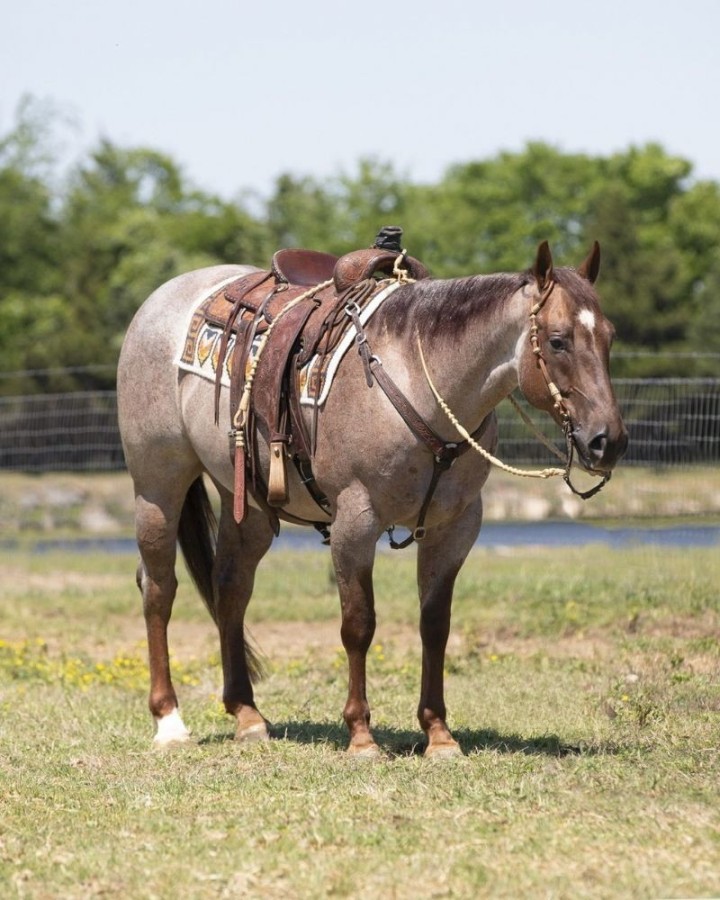
Compare Alibaba, Andy and Avenger by recorded age, height and asking price, then separate everyday ranch experience from competition claims and assess the cues you will need.
By Equine Horses Ranch · Catalog snapshot: November 20, 2026
A red roan Quarter Horse gelding for sale can appeal to a buyer who wants an eye-catching western mount for ranch tasks, trail outings or an eventual show season. But a list of disciplines is not a training record. Before choosing, separate the work you need every week from the performance you might want later.
This guide concentrates on that distinction: everyday ranch usefulness, specific ridden cues and evidence of competition experience. It does not assume that a horse described as versatile is equally experienced in every event. The three catalog examples below share a recorded color and breed, yet the right comparison is about your intended job and the evidence available for each individual.
Compare Alibaba, Andy and Avenger on the recorded facts
Alibaba is recorded as a seven-year-old red roan American Quarter Horse gelding, 15.1 hh, with an asking price of $13,500. His discipline field is Ranch Versatility / Trail.
Andy is recorded as an eight-year-old red roan American Quarter Horse gelding, 14.3 hh, at $13,800, with the same listed discipline. Avenger is recorded as an eight-year-old red roan gelding of the same breed, 15 hh, also at $13,800 and in Ranch Versatility / Trail.
These are November 20, 2026 catalog values, not independently verified measurements, appraisals or confirmation of current availability. Alibaba’s recorded price is $300 below the other two; that difference does not explain health, experience or rider suitability. Andy and Avenger have the same recorded age and price, but their height fields differ. None of those shared attributes makes them interchangeable.
Hands use inches after the point, not decimal fractions. Andy’s recorded 14.3 hh means fourteen hands and three inches; Avenger’s 15 hh is one inch taller; Alibaba’s 15.1 hh is another inch taller. These small recorded differences should not determine carrying capacity or rider fit. Ask for a current measurement and have your trainer assess build, balance and mounting practicality.
Use the Quarter Horse collection to compare alternatives. If your preferred color is flexible, include a horse whose documented experience more closely matches your plans instead of narrowing the shortlist too early.
Understand the color without making it a performance claim
The UC Davis Veterinary Genetics Laboratory’s roan information describes classic roan as a mixture of white and pigmented body hairs, with the head, lower legs, mane and tail remaining colored. Its examples distinguish roan on different base coats, including a chestnut base.
The three featured horses are recorded as Red Roan in the ranch catalog. That is a listing description, not a report that they have received genetic testing. Photographs can help you assess visible markings; they cannot authenticate a genotype, registry document or ancestry. If exact color identification matters to you, discuss the relevant documentation and any testing with qualified professionals.
For a gelding buyer, color may be a personal preference rather than the central purchase criterion. It cannot establish cow sense, willingness, soundness or compatibility with a beginner. Keep the appearance question separate from the riding assessment.
Write a job description before reading the discipline list
Start with three headings: essential tasks, optional goals and professional help available. Essential tasks might include ordinary arena riding, opening gates during a supervised ride or accompanying someone on familiar trails. Optional goals might include lessons toward an event or showing after additional preparation.
Be specific about frequency and setting. An occasional weekend rider with a trainer has different needs from someone regularly working livestock. A buyer learning western cues should not assume that an experienced horse will automatically understand unfamiliar or inconsistent aids. Describe your own experience honestly so the ranch and your trainer can discuss whether an assessment is appropriate.
Then ask how much of each advertised discipline reflects recent work. A horse may have encountered cattle, completed an arena exercise or been introduced to a rope without having a sustained record in the event you intend to enter. Exposure, training and competition are different levels of evidence.
Separate everyday ranch tasks from show experience
A ranch-use discussion should identify the tasks, handler and circumstances. Ask what the gelding has actually done, when he last did it and which parts required an experienced rider. For a particular task, request a clear account of preparation, cues and any limitations rather than a broad promise of dependability.
Competition questions are different. Ask for the event name, class, date and any identifiable results or footage if competitive achievements are claimed. A horse described as suitable for a future class has not necessarily competed in that class. A practiced stop or turn also does not establish a complete pattern, consistent scoring or suitability for your riding level.
Use a simple comparison sheet with four entries for each goal: the claim, the evidence provided, the date and the remaining question. For example, “ranch versatility” might lead to separate questions about arena work, obstacles and cattle rather than one assumed package. If no competition evidence is supplied, leave the competitive record unconfirmed; do not fill the gap with a persuasive description.
For event-specific questions, read the roping-horse buying guide separately. This article does not certify any of the featured geldings as a finished rope horse or recommend a head or heel role.
Assess the cues you will actually use
Arrange a demonstration with a knowledgeable rider before deciding whether you should mount. Ask your trainer to help identify the horse’s established aids and whether your riding can communicate them consistently.
Useful discussion points include:
- How are walk, jog or trot, and lope transitions requested?
- Does the horse respond to direct reins, neck reins, seat and leg cues, and in what combinations?
- What does the regular rider do to ask for a halt, back-up or change of direction?
- How is speed adjusted without losing balance or steering?
- What support is needed when riding away from other horses or returning toward the barn?
- Which exercises are reliable, and which are still being developed?
These questions are not instructions for testing an unfamiliar horse alone. Do not try abrupt stops, demanding spins, livestock work or roping to see whether a listing is accurate. Have competent professionals choose a safe assessment within the horse’s demonstrated training and the rider’s ability.
A precise explanation of cues can be more useful than a long list of impressive maneuvers. Consider whether your trainer can help you maintain the established responses after the horse moves home. A match should include the support needed to continue the horse’s work, not just the purchase visit.
Look for evidence that survives a change of rider
A seller’s successful demonstration shows one horse-and-rider combination in a particular setting. Your trainer can help you assess how much preparation, skill and consistency produced that result. Ask what the regular rider does before work and which arrangements should continue during the transition.
If recent video is available, request ordinary, continuous work with a clear date and context. Include the setup and transitions rather than only a short clip of a highlight. If video is unavailable, an appropriately supervised visit and specific written answers can still move your shortlist forward. Do not substitute invented demonstrations or blanket safety promises for missing evidence.
Discuss what has happened after time off, what the current workload is and whether the routine has changed since the listing was created. A statement that a horse once returned quietly after a break does not predict every future return to work. Ask your trainer and veterinarian how to manage the individual transition.
Make records and the purchase examination horse-specific
Ask to match the horse’s identity to his documents. A barn name can differ from a registered name, so compare identifying markings, certificate details and any recorded identification. If registration or pedigree is important, request the actual papers and transfer information. This article does not authenticate registration or ancestry for Alibaba, Andy or Avenger.
For health, ask for dated examination, treatment and maintenance records rather than relying on a repeated summary. Discuss known history, medications, past interruptions to work and any current maintenance needs with your own veterinarian.
The American Association of Equine Practitioners’ purchase-exam guidance emphasizes communication with your veterinarian to tailor the examination to your needs. Explain the intended ranch tasks, expected riding frequency, terrain and any show plans. The veterinarian should determine the examination and whether additional testing is appropriate; this guide cannot prescribe it or certify future soundness.
This is general buyer education, not individual veterinary advice, and no veterinary review of the featured horses is claimed. Use the clinical findings alongside a qualified riding assessment and the written sale terms.
Compare the total commitment before paying
Budget for the purchase, independent examination, equipment assessment, transport, lessons and ongoing care. Similar asking prices may still lead to different practical commitments, especially if additional training or professional support is needed. Do not assume an unexplained price difference reflects quality.
Review the horse-buying steps and written purchase terms. The ranch’s terms specify a 40% deposit applied to the price and the remaining 60% before departure. Read the 30-day money-back guarantee and its conditions, including return-transport responsibilities, before deciding what risk you are accepting.
Confirm the horse’s current location and appointment before traveling to Brownsville. For delivery, discuss your destination, timing, route documents and any applicable offer through the hauling page. Obtain the actual arrangements in writing instead of assuming a headline applies to every purchase or location.
Answers before you make the final shortlist
Is red roan a reason to pay more?
It can be a preference, but color alone does not establish value for your intended job. Compare evidence of training, individual suitability, health findings and the support you will need. These three asking prices are catalog examples, not an appraisal of the wider market.
Does Ranch Versatility / Trail mean show-ready?
Not by itself. Ask which tasks are established, whether the horse has competed and what evidence supports that history. Distinguish a seller’s suggested potential from actual event experience, and have your trainer assess the preparation required for your goal.
Which featured gelding should I choose?
The catalog fields cannot make that choice. Alibaba, Andy and Avenger provide useful recorded comparisons, but the decision depends on your needs and the individual evidence. Share your experience, essential tasks and available supervision before arranging an assessment.
What is the next useful step?
Send the horse’s name, your essential tasks, optional show goals, riding experience, professional help available and delivery destination. Contact Equine Horses Ranch with the questions you still need answered, or browse the horse catalog to widen your shortlist.
Sources and related reading
- UC Davis VGL: Roan Zygosity Test and classic-roan explanation. General color reference, not a genetic result for the featured horses.
- AAEP: Don’t Skip the Purchase Exam. General examination guidance for discussion with your veterinarian.
- Western-horse buying guide for choosing between broader riding plans, and the complete buying guide for the purchase process.