
Buying Guides
Roping Horses for Sale: Match the Horse to Your Event
· 8 min read
Compare heading, heeling, breakaway and ranch-rope experience before choosing a horse. A practical guide to training claims, seller questions and a supervised evaluation.
By Equine Horses Ranch
When comparing roping horses for sale, first define the event and the level of preparation you need. A horse described as handy with a rope on the ranch is not automatically an experienced arena head horse, heel horse or breakaway horse. Look for a clear account of the individual horse’s work, recent routine and the rider who can demonstrate it.
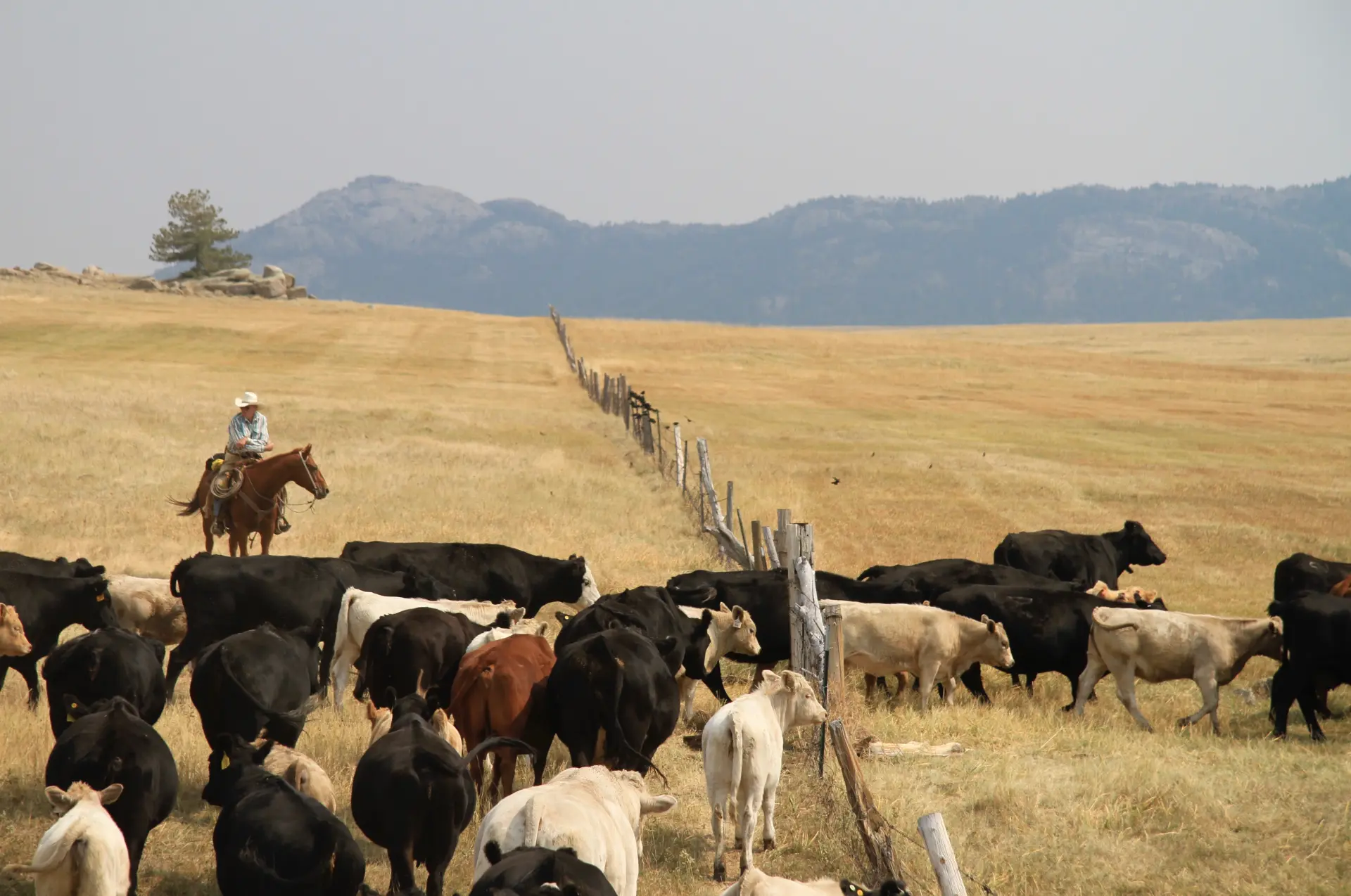
At Equine Horses Ranch in Brownsville, Texas, our horse catalog includes descriptions mentioning different ranch and roping activities. Those descriptions are starting points for questions, not verified competition records. Ask about the named horse’s current status and demonstrated experience before planning a visit or purchase. The photograph accompanying this guide illustrates ranch work; it does not establish any featured horse’s roping performance.
Which kind of rope horse are you looking for?
“Roping horse” is an umbrella description. Tell the seller whether you intend to head, heel, compete in breakaway, pursue another roping event or use a rope during ranch work. Include your experience and whether a trainer will help you evaluate and ride the horse.
Heading and heeling require separate questions
For a horse advertised for heading, ask about its recent work on the head side, how it is ridden and the conditions in which it has been used. For a horse advertised for heeling, ask the equivalent questions about the heel side. The American Quarter Horse Association’s dally team roping overview treats heading and heeling as distinct classes; do not treat a general roping label as proof of experience in both.
If a seller says a horse works both ends, request an account of how often each side has been practiced and by whom. Experience on one side does not, by itself, substantiate the other. A qualified roping trainer can help determine which advertised skills matter for your own riding and event.
Breakaway experience should be identified explicitly
Ask whether the horse’s advertised experience is specifically in breakaway, rather than assuming a team-roping or ranch-work description covers it. Discuss the rider, frequency of use and level of training. Separate a seller’s future expectation from work the horse has already done.
Ranch roping is not a competition résumé
Pasture work and other ranch tasks can be relevant experience, but they do not establish arena competition readiness. Conversely, an arena description does not establish how a horse behaves during ordinary ranch duties. Ask where the horse has actually worked and what part of that history relates to your intended use.
Prospect, started horse or experienced horse?
These labels are not standardized proof of preparation. Ask the seller to explain the stage of training in concrete terms.
- Prospect: what foundations are established, what remains to be taught and what professional help is expected?
- Started horse: what work has already been introduced, how frequently and under which rider?
- Experienced horse: what recent practice or competition history supports that description, and are records available for any results claimed?
A young horse with an attractive pedigree may still require substantial time and training. An older horse may have more experience, but age alone does not establish consistency, soundness or suitability. Compare preparation with your available support, not just price or bloodlines.
Do not buy a developing prospect on the assumption that it will become suitable for an inexperienced rider. Discuss the gap between the current training and your intended use with an independent trainer before deciding.
Three catalog descriptions, three different follow-up questions
The examples below reflect seller descriptions in our catalog reviewed on November 19, 2026. They are not verified performance endorsements, and availability must be confirmed directly. Open each page for the latest displayed information.
Bailey: clarify pasture work versus arena work
Bailey’s listing describes roping a steer in the pasture and holding the rope during ranch work. That wording makes the setting especially important. Ask what arena roping, if any, he has done recently, and whether his experience matches your proposed event. Do not turn a pasture-work statement into a competition claim.
Montana: clarify the stage of training
Montana’s listing describes him as developing into a horse for both ends. The useful question is what “developing” means now: how much work has been completed on each side, what is still being taught and what rider support is needed? Compare the present training rather than the hoped-for outcome.
Gucci: ask about each advertised discipline separately
Gucci’s listing mentions breakaway and the head side. Ask for separate, recent information about each discipline and the rider who has used him. A broad description can contain multiple claims; each needs its own clarification rather than a single assurance that the horse ropes.
These examples are useful because the descriptions do not say the same thing. For a breed-based search, also review our American Quarter Horse collection, while remembering that breed and registration do not prove event-specific training.
Questions to ask before arranging a trial
Keep the answers for every prospect in one comparison sheet:
- Which event and side has the horse actually worked, and when most recently?
- Who normally rides the horse, and can that person explain or demonstrate the routine?
- Is the work mainly practice, ranch use or competition? What supports any competition claims?
- What happens after time off, and how much regular riding does the seller recommend?
- Are there known handling, training or management limitations?
- What maintenance history and dated records can the seller provide?
- Can your trainer attend, and can you arrange an independent veterinary purchase examination?
- What is included in the asking price, and what costs or conditions remain separate?
Keep unanswered questions visible. Do not treat a seller’s reputation, an impressive bloodline or one successful run as a substitute for assessing the individual horse.
Plan a supervised evaluation, not an improvised test
Agree on the evaluation with the seller and a qualified roping trainer before attending. The trainer should help choose appropriate conditions for the rider, horse, cattle and facilities. This article is a buying guide, not a tutorial for testing rope horses or handling a rope under load.
Ask to understand ordinary catching, saddling, mounting and riding as well as the advertised event work. Where practical, observe the horse in its normal routine rather than only a prepared sales presentation. Discuss how the demonstration differs from the conditions at your own barn or events.
Do not attempt unfamiliar roping tasks, force a demonstration or create a hazardous situation to test a claim. If the planned assessment cannot safely answer an essential question, pause the purchase and seek appropriate professional help.
Can you evaluate a rope horse without a video?
Yes, but the alternative should be a meaningful evaluation, not more confident wording. Current photographs, dated records, conversations with the regular rider and a trainer-supervised appointment can help you investigate the horse. If you cannot attend, discuss whether a qualified independent professional can assess it on your behalf.
When video exists, ask when and where it was recorded and whether it shows the advertised event. Footage can help prepare questions but cannot establish current veterinary findings or guarantee future performance. A missing video is a reason to discuss how you will evaluate the horse, not proof that the horse is unsuitable.
For more on reading footage critically, see our horse sale video guide. Avoid treating dramatic edits, a single run or music-backed highlights as a complete account of the horse’s routine.
Match the veterinary examination to the intended workload
Tell your own veterinarian about the event, frequency of work and level of use you intend. Ask what examination is appropriate and what additional information or tests would be useful in your circumstances. Disclose any maintenance information supplied by the seller and ask the veterinarian to explain the findings and limitations.
The AAEP’s purchase-examination guidance emphasizes communication between buyer and veterinarian in planning a tailored examination. A generic health statement, historical record or visible performance is not an assessment of the horse’s current suitability for your workload.
No horse in this guide has received a veterinary review for this article. Veterinary conclusions belong to the examining veterinarian, and purchase decisions should also account for your trainer’s assessment and your circumstances.
Compare total cost, not a claimed bargain
Consider asking price alongside current training, evidence, transport and the professional help you may need after purchase. A lower-priced prospect can require an ongoing training commitment; a higher asking price does not prove competition ability or a match for your riding.
Request written details about any trial arrangement, included equipment, registration transfer and purchase conditions. Verify the horse’s identity against the documents offered. For the transaction itself, use our complete buying checklist and review the ranch’s written purchase terms. This event-specific guide does not replace those terms.
If you are coming to Brownsville, confirm the appointment and horse’s actual location before travelling. Discuss hauling arrangements and destination needs before agreeing on delivery.
Quick answers for rope-horse buyers
Is every ranch horse a roping horse?
No. A ranch label does not establish specific rope work. Ask about the individual horse’s experience and whether it relates to your intended event or ranch task.
Does registration prove roping ability?
No. Registration identifies documented registry information; it does not prove training, suitability or results. Assess those questions separately.
Should a new roper buy a prospect?
That depends on the rider’s experience and professional support. Discuss the horse’s current preparation with your trainer rather than assuming a prospect will be easier or cheaper to develop.
Does an online listing confirm current availability?
No. Ask the seller about the named horse before arranging a trial, examination, payment or travel.
Tell us the event you actually ride
A useful inquiry includes the horse’s name, whether you head, heel, ride breakaway or need ranch-rope experience, your riding background, your professional support and where the horse would live. Ask the specific questions the description leaves open.
Contact Equine Horses Ranch through our contact page, at (956) 404-5124 or info@equinenow.us. Our address is 5413 FM 1732, Brownsville, TX 78520; visits require prior arrangement. Start with the job and the evidence, then decide which individual horse deserves a closer look.