
Buying Guides
Buckskin Quarter Horse Gelding for Sale: Check Work History and Everyday Fit
· 8 min read
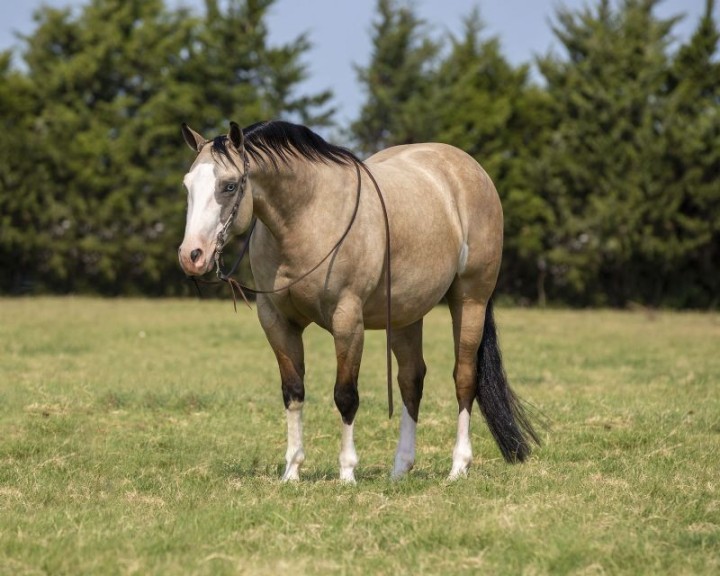
Compare Scooby, Ajax and Beamer by recorded size and asking price, then investigate work history, time off, handling and the riding routine you actually need.
By Equine Horses Ranch · Catalog snapshot: November 20, 2026
When you search for a buckskin Quarter Horse gelding for sale, the strongest match is not necessarily the horse with the most striking photograph. It is the individual whose established routine, training and care needs fit your riding. Start with the look you prefer, then investigate what the gelding actually does and what he needs from a new home.
This guide uses three examples from our Brownsville, Texas catalog to explain a practical comparison. Its focus is work history and everyday management, rather than the mare-specific color and breeding questions in our dappled buckskin mare guide. The listing figures below were recorded on November 20, 2026. They are not independently verified measurements, veterinary findings or confirmation of current availability.
Three geldings, three different starting points
Scooby is recorded as a six-year-old buckskin American Quarter Horse gelding, 14.1 hh, with an asking price of $12,900. His listed discipline is Ranch Versatility / Trail. For a buyer seeking a smaller horse, he is a useful starting point—but the height does not establish whether he suits a particular rider or has experience with the intended job.
Ajax is recorded as an eight-year-old buckskin American Quarter Horse gelding, 15 hh, at $13,500. His listed discipline is also Ranch Versatility / Trail. Compared with Scooby, he has a different recorded age and size. Ask about his actual workload and cues rather than interpreting those differences as evidence of more training.
Beamer is recorded as a ten-year-old buckskin American Quarter Horse gelding, 14.3 hh, at $12,300, in the same discipline category. An older horse may have had more calendar years in which to gain experience, but age alone does not tell you how those years were spent or what maintenance is required.
The practical comparison is not “young versus old” or “cheap versus expensive.” Scooby’s asking price is $600 below Ajax’s; Beamer’s is $1,200 below Ajax’s. Those differences do not establish relative quality, health or value. Ask what you would receive at the agreed price, then add examination, equipment, care and transport costs to your own budget.
Open the Quarter Horse collection for broader comparisons. The buckskin collection is organized by color and includes other breeds and sexes, so read each record before treating it as a direct alternative.
Build a work-history timeline instead of collecting adjectives
A phrase such as ranch versatility can cover a range of experience. Begin with a simple timeline: who has ridden the horse, how often, doing what work and in which environments? Ask the seller to distinguish regular work from occasional exposure.
For each gelding, make notes on these four areas:
- Recent routine: frequency of riding, typical session length, terrain and whether he normally works alone or with other horses.
- Training background: established cues, the person who provided training, and any significant gaps or changes in routine.
- Specific experience: dated examples of trail outings, cattle work, hauling or competition relevant to your plans.
- Known limitations: situations that require experienced handling, work he has not done, and any ongoing training needs.
If you need a trail partner, ask about the actual routes, footing and group arrangements. If you want a ranch-class horse, ask about the relevant maneuvers and documented participation. A catalog category does not prove either job.
A useful answer describes a situation: who rode, where it happened and how the horse responded. A broad label such as “finished” is less helpful until you know the discipline and standard it refers to. Where results or professional training are claimed, request records linked to the individual horse.
Compare the routine you can provide with the routine he knows
A horse working several days a week with one experienced rider may face a different situation when ridden intermittently by several family members. Ask how each gelding behaves after time off and what preparation is normally used before riding. Discuss feed, turnout, companionship and the handling schedule so you can identify major changes before purchase.
Being a gelding does not establish a quiet temperament or make a horse automatically suitable for beginners. Individual experience and behavior matter. Tell the ranch your present ability, not just what you hope to learn. If you are returning to riding or buying for a child, involve a qualified trainer in deciding what assessment is appropriate.
Write a short description of the first month you expect to provide: where the horse will live, who handles him daily, how often you ride and what professional support is available. Compare that plan with the seller’s answers. A mismatch may be manageable with help, but it should be recognized rather than hidden behind a color preference.
Observe ordinary handling before discussing harder tasks
Arrange a viewing that includes the everyday tasks relevant to your home. Ask to watch appropriate catching, leading, grooming, feet handling and tacking up. Discuss what the gelding knows about standing for mounting, farrier work and loading. These observations are not a veterinary examination; they help you understand normal management.
Have someone familiar with the horse demonstrate the ride before deciding whether to mount. Share your experience and agree on a supervised assessment that stays within both horse and rider abilities. Compare transitions, stopping, steering and response to the existing cues, rather than asking the horse to interpret an entirely unfamiliar system immediately.
Do not create alarming situations to test a claim of calmness. Ask about known experiences and let a knowledgeable professional guide the assessment. If something is unclear, record the question and discuss another appropriate observation instead of trying to force an answer.
Recent riding video can help an out-of-town buyer prepare, but lack of video does not mean the only option is buying blind. An in-person appointment and independent professional assessment are alternatives. Photographs and video cannot replace the records and evaluation relevant to your intended use.
Use size and color accurately
Hands-and-inches notation is not a decimal measurement. Scooby’s recorded 14.1 hh means 14 hands and one inch; Beamer’s 14.3 means 14 hands and three inches. Ajax is listed at 15 hands. Ask when and how the measurement was taken, and assess saddle fit, build and rider balance rather than choosing from height alone.
The UC Davis Veterinary Genetics Laboratory explains that a bay base coat with one copy of the cream dilution variant produces buckskin. This describes coat-color genetics generally; it is not a laboratory result for Scooby, Ajax or Beamer. Their buckskin descriptions come from the catalog.
Request recent daylight photographs with visible markings and enough detail to identify the horse. Match those details to any documents presented. Do not treat a particular shade as proof of temperament, registration or health. If a genetic result matters to your decision, ask for the original report associated with the horse, not a conclusion drawn from a photograph.
Ask the veterinarian about the work you intend to do
A veterinary discussion becomes more useful when it includes your riding plans and the disclosed history. The American Association of Equine Practitioners purchase-examination guidance recommends communication between buyer and veterinarian to tailor the examination.
Ask the ranch which dated veterinary, dental, vaccination and farrier records can be provided. Discuss known treatment and maintenance with your chosen veterinarian. Examination scope, additional testing and interpretation of findings belong with that professional; this article does not certify the health of any catalog horse or claim veterinary review.
Keep registration and identity checks separate from health checks. Ask whether papers are available, whether their identifying information matches the gelding, and whether a transfer can be completed. The recorded breed alone is not proof of AQHA registration. Resolve discrepancies before paying rather than assuming generic pedigree wording answers the question.
Make the final comparison in writing
For each horse, record the listed figures, demonstrated work, disclosed maintenance, documents received and questions still open. Do not score an unanswered question as a positive. If two horses remain equally appealing, a second conversation with your trainer may reveal which one fits the routine you can realistically maintain.
Confirm the individual horse, current availability, agreed price and included paperwork before committing. Review the horse-buying steps and full purchase terms. The stated terms include a 40% deposit applied to the price, a 60% balance before departure and a 30-day money-back guarantee starting on arrival; the full conditions explain returns and buyer-paid return transport.
Discuss your destination through the hauling information and obtain written confirmation of cost, scheduling, paperwork and any applicable offer. Do not infer that an offer covers a single horse or every location. Brownsville ranch visits are by appointment; use Contact to arrange a focused viewing.
Buyer answers
Is a six-year-old automatically less experienced than a ten-year-old?
No. Ask for the work-history timeline. Years of age and years of relevant training are different facts, and time off can matter to the assessment.
Does gelding status make a horse suitable for every rider?
No. Compare handling, established cues and the rider’s experience. Sex is one recorded attribute, not a safety or suitability guarantee.
Should I choose the lowest asking price?
Only if the individual horse also fits your plans and the evidence supports the decision. Consider known maintenance, professional assessment, equipment and delivery rather than comparing price alone.
What should my first inquiry include?
Name the gelding, share your current riding experience, intended work, destination and budget, and ask which details are current. Request an appointment plan and identify the records you want to discuss with your veterinarian.
For a wider search method, continue with Horses for Sale: comparing listings. If western riding is your focus, our Western Horses for Sale guide explains how pleasure, ranch and trail goals differ. A good shortlist connects the horse’s actual routine to yours—not just one attractive coat color.