
Buying Guides
Blue Roan Mare for Sale: Look Beyond the Color
· 8 min
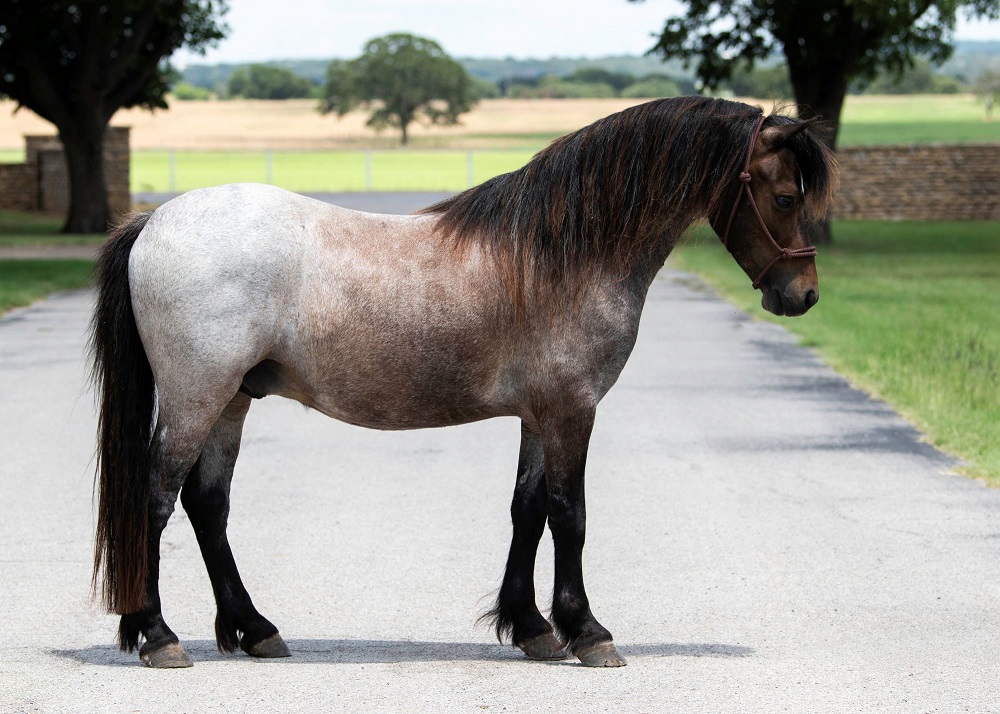
Searching for a blue roan mare for sale? Learn how to check coat-color claims, compare mares across breeds and choose for riding suitability, records and veterinary findings.
Blue roan mare for sale: what to check first
If you are searching for a blue roan mare for sale, separate three questions: is the color described accurately, is the horse's identity and background documented, and does this individual mare fit your riding or breeding plans? A striking coat can help you notice a listing, but it cannot answer the other two questions.
Start with recent photographs and relevant riding footage, verify any registration claim, and discuss an appropriate purchase examination with your veterinarian. Do not infer breed, safe temperament, reproductive suitability or a complete genetic profile from the words “blue roan.”
This guide focuses on shopping by color without letting color control the decision. It is separate from our American Quarter Horse mare buying guide, which addresses that breed and mare-specific riding and breeding questions. Here, the aim is to compare listings across breeds, distinguish coat descriptions and build a shortlist supported by evidence.
1. What does blue roan describe?
Classic roan describes a pattern of white hairs mixed with pigmented hairs across the body, while the head, lower legs, mane and tail generally remain colored. Blue roan is commonly used for the appearance of that pattern on a black base coat. The label describes color, not a breed or training qualification.
The UC Davis Veterinary Genetics Laboratory's roan guidance explains the classic pattern and its testing context. It is a better starting point than an advertisement that equates an attractive color with exceptional breeding value.
Photographs can help you ask questions, but lighting, camera settings, dirt, clipping and the seasonal coat can change how a horse appears. Request clear, recent pictures of the whole horse in ordinary daylight, including the head and lower legs. Ask when the pictures were taken and whether the seller has older photographs showing changes over time.
If verified color genetics is important to your plans, ask what actual test results exist and discuss the appropriate test with a qualified professional. A listing description is not a laboratory result, and a laboratory color result is not a health examination.
2. Blue roan, gray and other roan descriptions
Gray and roan are not interchangeable words. UC Davis's gray overview describes progressive depigmentation: a gray horse can become substantially lighter as it ages. Classic roan is a different pattern. A gray horse may look dark or mottled at one stage, so one photograph does not settle the distinction.
Buyers may also encounter bay roan and red roan descriptions. Ask the seller to explain the base color and any available supporting records rather than assuming every dark-looking roan is blue roan. If a particular color is essential to you, resolve the question before traveling or making a payment.
Useful questions include:
- How is the color recorded on any registration documents?
- Are the photographs recent and of this exact horse?
- Has the coat become progressively lighter with age?
- Are any color-test reports available, and do they identify this horse?
- Is the seller describing appearance, documented testing, or both?
No photo checklist can replace professional interpretation when a genetic claim matters. The practical goal is to avoid buying on an ambiguous label, not to diagnose a coat genotype yourself.
3. A color search can include very different horses
Searching by coat color can bring together ponies, gaited horses, stock horses and other types with very different size, movement and training. Before comparing prices, define the kind of riding partner you need. A small pony mare and a full-sized riding mare are not interchangeable purchases merely because both are described as blue roan.
Consider rider size and experience, the horse's measured height, movement, discipline and current workload. If you want a gaited mount, ask for evidence of the relevant gait. If you want cattle work, ask about the actual tasks demonstrated. If you want a child's pony, evaluate the individual horse with qualified help rather than treating small size as a safety guarantee.
For a concrete example, our catalog identifies Amigo as a blue roan Welsh Pony mare. Her photograph accompanies this guide. That is an identified pony example, not evidence that every blue roan mare is a Welsh Pony or that a full-sized blue roan riding mare is currently available. Check the listing and contact the ranch for current availability and suitability.
When you compare listings, put breed or type, measured height, sex, age and intended use beside the color. This keeps a visual preference from hiding a mismatch in the fundamentals.
4. Set your shortlist before contacting sellers
A good shortlist begins with what you need, what you prefer and what remains unknown. Keep blue roan in the preference column unless it is genuinely essential. Put the riding requirements first: your experience, the work you intend to do and the care routine you can provide.
Try a brief like this: “I am looking for a mare for regular trail riding. I have intermediate experience, need to discuss riding away from companions, and prefer a blue roan coat. I want to see recent footage and arrange a supervised viewing.” That tells a seller much more than asking whether a horse is beautiful or gentle.
Use the same questions across your shortlist. For each horse, record current training, rider recommendation, known maintenance needs, available records and which behaviors have actually been demonstrated. Mark unanswered points as unknown rather than filling them in from a photograph.
Our horse-and-rider matching guide explores the suitability side in more depth. This article's purpose is to make sure a color-led search still leads to that individual assessment.
5. Evaluate this mare, not a stereotype
Neither coat color nor sex tells you how a horse will behave with you. Ask what the mare does in her normal routine, who handles and rides her, how frequently she works and whether any behavior changes have been observed. Avoid assuming that every mare is difficult or that a particular color makes a horse calm.
Request a seller-led demonstration of ordinary handling before considering a ride. Watch catching, leading, preparation, mounting, basic work and standing. If you ride, do so only in an appropriate setting with suitable supervision and protective equipment. Do not provoke a reaction or attempt a task beyond your experience to test a sales claim.
If the mare has been out of ridden work, ask what that means in practical terms. A former riding horse, a current riding horse and a mare advertised only for breeding should not be evaluated as though they have the same recent preparation. Discuss the gap with your trainer and veterinarian before deciding what you could manage.
Recent, continuous footage can help you plan the viewing. Our horse-sale video guide explains why footage supports questions rather than replacing a trial or independent assessment.
6. Keep color tests, registration and health records separate
A coat-color report answers questions about particular color variants. Registration documents address recorded identity and registry information. Veterinary records document examinations, treatment or other health history. None should be used as a substitute for the others.
UC Davis's equine coat-color genetics resource explains that coat colors involve specific inherited factors. A color label does not establish pedigree or the horse's full genetic status. If a seller makes a breeding or genetic claim, ask for the exact supporting document and confirm how it relates to the horse being offered.
For a registered mare, compare her identity and paperwork and clarify the ownership-transfer process with the relevant registry. For a health or genetic concern, ask your veterinarian which records or tests are appropriate to her background and your intended use. Avoid assuming that one breed's testing panel applies to every blue roan horse.
A clear folder of separate documents helps prevent a persuasive but misleading phrase such as “tested blue roan” from being interpreted as “fully health tested and suitable for breeding.” Ask precisely what was tested and what remains unassessed.
7. Buying a riding mare is not the same as buying a breeding prospect
If your aim is riding, organize the purchase examination around that intended use. If you also intend to breed, explain that separately to your veterinarian. A general purchase examination is not automatically a reproductive examination, and an appealing coat is not evidence of reproductive soundness.
The AAEP purchase-examination reporting guidelines describe the importance of documenting findings. An examination informs your decision; it cannot guarantee future performance, soundness or fertility.
If a mare is advertised as in foal, request the veterinary documentation and clarify when and how pregnancy was determined. AAEP's breeding terminology provides context for reproductive claims and veterinary determination. Agree with your veterinarian on what needs confirming before you purchase.
For this guide, the takeaway is simple: color preference, riding suitability and breeding plans are three separate decisions. Do not pay for an unverified promise merely because they are presented together in one listing.
8. Compare the whole cost, not a color premium
There is no single reliable asking price for a blue roan mare. Listings differ in breed, size, age, documented training, condition and terms. Compare horses that meet your requirements rather than treating every color match as an equivalent purchase.
If the seller asks more because of color, decide whether that preference is worth it to you after suitability and records are established. A higher price does not demonstrate health or skill. A lower price does not tell you whether the horse will need professional training or ongoing maintenance.
Plan for examination, advice, transport, equipment and continuing care as well as the asking price. Obtain current quotes for your circumstances rather than relying on an invented market average. Clarify written terms before paying, especially where a breeding claim or pending examination affects the agreement.
9. Plan a useful Brownsville inquiry
Equine Horses Ranch is at 5413 FM 1732, Brownsville, TX 78520. Browse the current horses, confirm the individual listing, and contact us before planning a visit. Catalog availability can change, and this guide is not a promise that a specific mare remains for sale.
In your message, include preferred size or type, intended use, riding experience, budget and destination. Say whether blue roan is essential or simply preferred. That makes it easier to discuss an actual match instead of focusing only on the photograph.
Review our buying process and purchase terms, and discuss transport before committing to a journey. If you are traveling from outside the area, our Brownsville viewing guide covers appointment planning without assuming walk-in availability.
Quick answers for blue roan mare buyers
Is blue roan a breed?
No. It is a coat-color description. Verify breed or registration separately and compare the individual horse's size, training and suitability.
Can a photograph prove a mare is genetically blue roan?
No. Photographs support questions about appearance. If a genetic claim matters, request appropriate documented results and professional interpretation.
Does blue roan color predict temperament?
Do not use coat color as a temperament assessment. Observe this mare's behavior, review relevant history and seek qualified help assessing the match.
Is a blue roan pony the same purchase as a blue roan riding horse?
Not necessarily. Size, movement, discipline and rider fit matter. Confirm the measurements and evaluate the individual rather than relying on color alone.
Choose the partner first, the color second
A successful search for a blue roan mare for sale should end with a well-supported match, not simply the right-looking photograph. Keep color verification separate from identity, health and suitability. Ask precise questions, use qualified independent advice and leave unknowns visible until they are resolved.
Tell us what you are looking for to start a focused conversation. Bring your color preference, but also bring the requirements that will make a mare the right partner for your home.
Editorial note: Equine Horses Ranch prepared this original buyer guide using the linked veterinary and genetics resources. It offers general education, not an individual diagnosis, a genetic certification or a guarantee of availability.